
Why Okinawa's Off-Season Is Actually the Best Time to Visit
• By Jasmine K • 03 Aug 2026

Okinawa is often called Japan's tropical paradise, known for its clear waters, distinctive cuisine, and relaxed pace of life. While many travellers focus on the peak season, the off-season can be an excellent time to visit. Young professionals seeking a short getaway and families looking to avoid large crowds may enjoy lower prices, fewer visitors, and more comfortable weather than during the busy summer months.
When Is the "Off-Season" in Okinawa?
If you're looking to avoid the busiest months, Okinawa's off-season usually falls during:
- November to early December, after typhoon season
- January to March, when temperatures are coolest but still mild
- Late April to mid-May, before the rainy season arrives
By comparison, late June through August is peak season, driven by summer holidays and popular beach weather. The rainy season typically runs from mid-May to late June, while typhoon risk is highest between June and September. Even in winter, sea temperatures average around 21°C, warming to almost 30°C in August.
Ways to Enjoy Okinawa in the Off-Season
1. Go Whale Watching Near the Kerama Islands
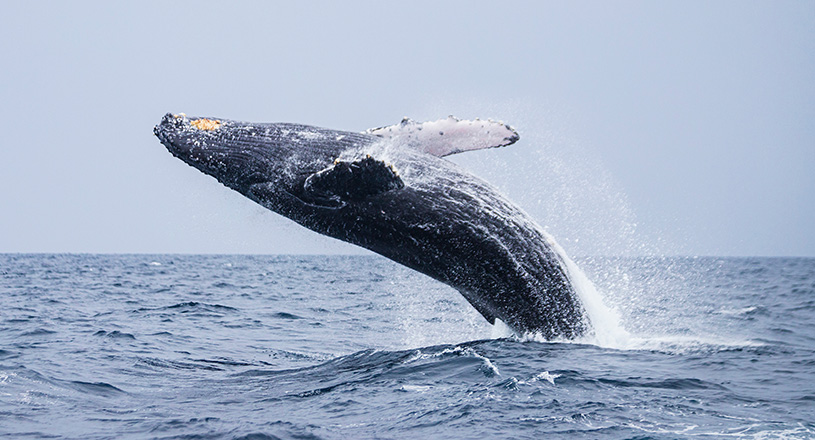
Between January and March, humpback whales visit Okinawa's warm waters. Tours from Naha and Zamami Island usually take around two hours, making them an easy and memorable addition to a family trip.
2. Catch Japan's Earliest Cherry Blossoms
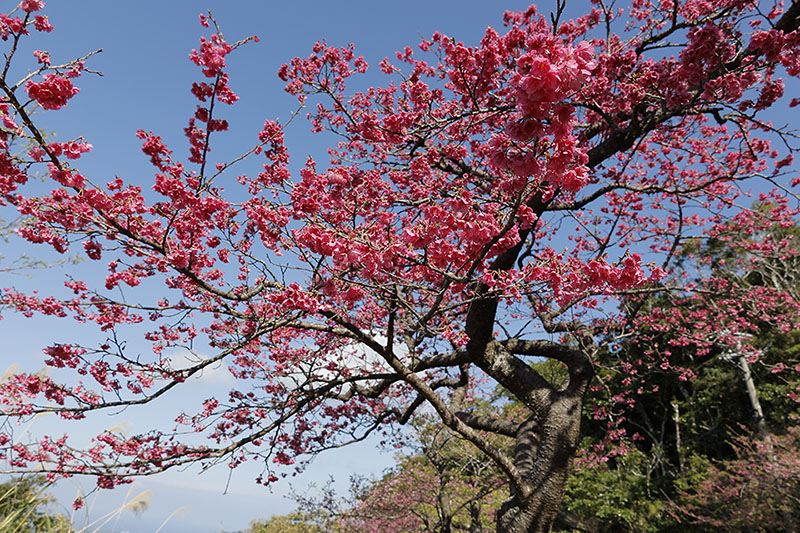
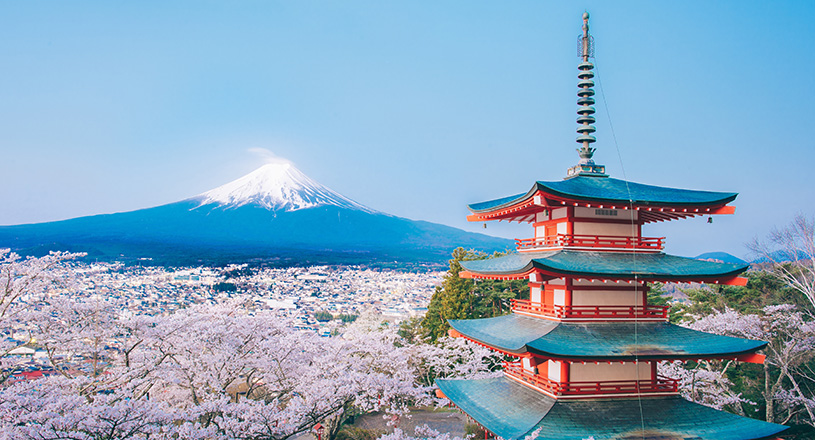
Cherry blossom season arrives early in Okinawa, typically from late January through February. Popular spots such as Nakijin Castle Ruins and Nago Castle Park offer beautiful views and seasonal festivals without the heavy crowds.
3. Dive and Snorkel in Clear Winter Waters
With water temperatures around 21°C in February, Okinawa remains suitable for diving and snorkeling. Winter visibility is often excellent, especially around the Kerama Islands and Manza Beach.
4. Discover Okinawa Beyond the Beaches
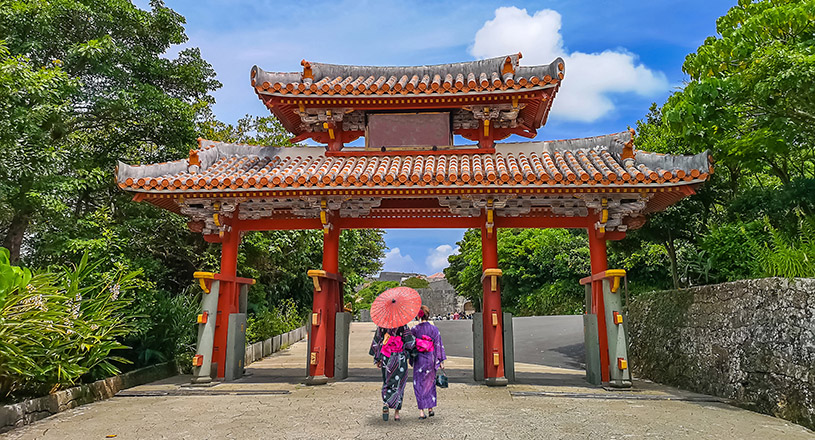
The islands' Ryukyu heritage comes to life at sites such as Shuri Castle, Churaumi Aquarium, and Naha Makishi Market. Visiting during quieter months means more time to explore at a comfortable pace, particularly for families with children.
What to Know Before Your Okinawa Trip
Getting There
Okinawa is easy to reach via Naha Airport, with direct or connecting flights from cities including Singapore, Hong Kong, Taipei, Seoul, and Bangkok. Improved flight options have made it a popular getaway from many parts of Asia.
Weather in January
January temperatures are usually around 17–19°C, making it pleasant for exploring outdoors. You may encounter some rain, so bring a light jacket or hoodie for cooler evenings. The month sits outside Okinawa's rainy and typhoon seasons, so major weather disruptions are less common.
Getting Around
Renting a car is often the easiest way to see more of Okinawa, especially if you're travelling with family. International driving permits are commonly accepted. If you'd rather not drive, the Yui Rail serves central Naha, while buses and guided day tours can help you reach many popular attractions.
Why You Shouldn't Skip Travel Insurance for Your Okinawa Trip
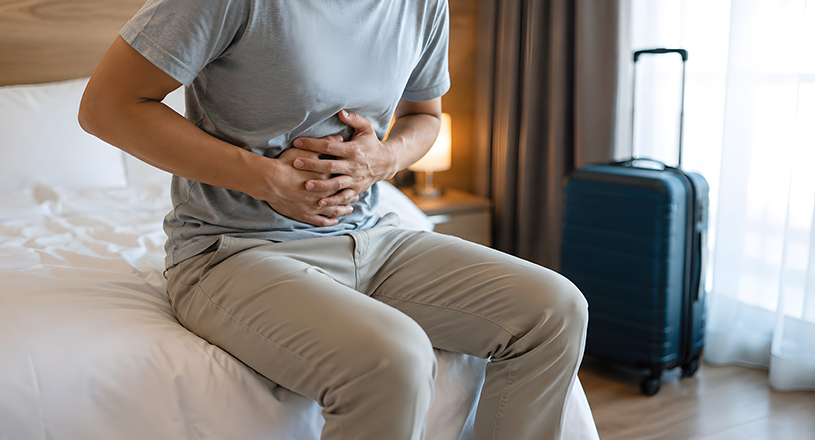
Okinawa is a relaxing and family-friendly destination, but unexpected issues can still arise. A medical emergency, flight delay, lost baggage, or last-minute change of plans can quickly add unexpected costs to your trip.
As healthcare in Japan can be expensive for overseas visitors, Tokio Marine’s Travel Insurance can help provide coverage for eligible medical and related expenses while abroad.
Medical Coverage While Abroad
Japan has excellent medical care, but it comes at a cost. Travel insurance with robust medical coverage means you can seek treatment confidently, without agonizing over the bill first.
Trip Cancellation and Interruption
Travel plans can change even after everything has been booked. Flights may be disrupted, emergencies may happen before departure, or you may need to cut your trip short. Tokio Marine’s Travel Insurance provides travel cancellation or postponement benefits, as well as travel curtailment coverage, helping reduce the financial impact of non-refundable bookings and unexpected changes to your itinerary.
Lost or Delayed Baggage
Delayed or missing luggage can be frustrating, especially when travelling with children. Coverage for luggage, personal effects and baggage delays can help you manage essential purchases.
Adventure and Activity Coverage
Okinawa is popular for outdoor experiences such as snorkelling, diving, boat trips and other sea-based activities. Before you travel, always check whether your planned activities are covered under your policy.
Coverage for the Whole Family
If you're traveling with children, a comprehensive family travel insurance plan provides peace of mind that everyone is covered.
Frequently Asked Questions
Absolutely. January is one of the best months for whale watching, early cherry blossoms, and crowd-free sightseeing. The weather is mild rather than cold, making it great for outdoor exploration.
Based on price data from Expedia and KAYAK, hotels are generally cheapest in November, January, and March. Flights tend to follow similar patterns.
It depends on your travel style. Off-season visits generally mean better accommodation availability and rates. Food is affordable, especially at local restaurants and markets. The bigger cost factor for most visitors from Asia is the flight.
Okinawa is one of Japan's safest destinations. Off-season is actually easier for families with fewer crowds, more affordable accommodation, and calmer energy all around. Try to avoid the peak typhoon season (June–September) and make sure your insurance covers the whole trip.
Travel insurance is not mandatory for Japan, but it is strongly recommended. Medical expenses, flight cancellations, delays, and lost luggage can be costly, so it offers valuable protection and peace of mind for a relatively small cost.
Ready to Book That Okinawa Off-Season Trip?
With fewer tourists, comfortable weather, and unique seasonal experiences, the Okinawa off-season is a great time to slow down and explore at your own pace.
Before you go, secure your flights, book popular tours like whale watching early, and sort out your travel insurance. Tokio Marine travel insurance can help you travel with added peace of mind if your trip doesn't go as planned.
Planning an Okinawa getaway? Explore Tokio Marine's travel insurance plans to find the right coverage for your journey.




Choose your country or region
Visit HQ Pages
Visit Country Pages
Select your location and language


You are currently on a site outside of your country Switch to external site?
Visit your local page. If you change your mind, you can use the dropdown at the top navigation to visit other Tokio Marine country pages.