
Will travel insurance cover a trip if a flood warning is issued?
Travel insurance • By Jasmine K • 01 Oct 2026
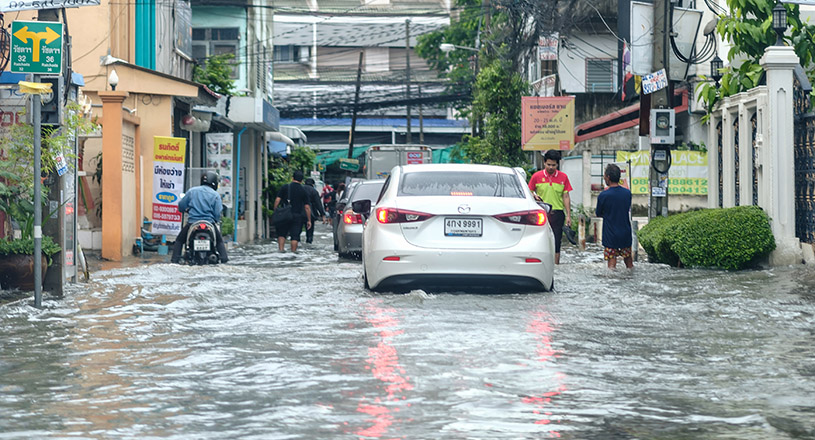
Flood warnings can happen with little warning, especially during monsoon season in Southeast Asia. So, does travel insurance cover floods? Flood-related cover depends on the applicable local policy, your plan, when it was purchased, and the circumstances of the disruption. A claim may be considered where the event and resulting loss are covered under the policy.
A warning alone usually is not enough for a cancellation claim. Here's what flood warnings could mean for your cover, how insurers view known events, and what to do if flooding disrupts your trip.
Travel insurance coverage for flood warnings
Flood-related travel insurance coverage depends on timing and trigger. If you bought your policy before the flood became a known event and a covered disruption occurs, such as a flight cancellation, mandatory evacuation, or uninhabitable hotel, benefits under Trip Cancellation or Trip Interruption may apply.
Insurers generally treat verified disruptions differently from travellers choosing not to go because they're worried about potential flooding. Unless your selected plan includes a Cancel For Any Reason (CFAR) benefit, where available, concern alone may not be covered.
The key takeaway is to buy and understand your policy early. Once a flood becomes a known event, related losses may be excluded as foreseeable, making the purchase date an important factor in claims assessment.
Flood watch vs. flood warning vs. evacuation order: what do they mean for your trip?
Not all flood alerts carry the same weight. A flood watch means flooding is possible, while a flood warning means it's happening or expected soon. A flash-flood warning signals immediate or fast-moving flooding, often with little notice. An evacuation order goes a step further, directing people to leave an affected area.
This matters because many travel insurance benefits rely on specific, verifiable disruptions rather than general risk. A flood watch, warning, or evacuation order does not automatically establish cover. Whether a claim may be payable depends on whether the resulting disruption is an insured event under the applicable policy and on the policy’s terms, conditions, limits, and exclusions. Checking official advisories can help you understand the situation before making travel decisions.
When does a flood become a known event for travel insurance?
A flood may be treated as a known or foreseeable event once it has become publicly known. In travel insurance, the timing of your policy purchase relative to that event often determines whether related losses may be covered.
If you purchase cover after flood conditions or warnings have become publicly known, cover for losses connected with that event may be limited or unavailable, depending on the local policy wording and any applicable known-event notice.
That's why it's best to arrange cover early. If you're arranging cover close to departure, our piece on last-minute travel insurance explains how forecast events can restrict what's covered even for short-notice bookings.
Does trip cancellation, interruption or travel delay cover flooding?
Travel insurance for flood-related disruptions can involve several benefits:
- Trip Cancellation: May apply before departure if a covered trigger occurs, such as an evacuation order, uninhabitable accommodation, or carrier cancellation.
- Trip Interruption: May help if flooding disrupts your trip after departure.
- Travel Delay: May reimburse reasonable expenses when flooding causes a documented transport delay beyond the policy waiting period.
- Emergency Medical & Emergency Evacuation: Generally apply when flooding creates a genuine medical or safety emergency.
| Benefit | Typical Flood-Related Trigger | What It Usually Doesn't Cover |
|---|---|---|
| Trip Cancellation | Mandatory evacuation, uninhabitable accommodation, or carrier cancellation | Cancelling due to worry or inconvenience alone |
| Trip Interruption | Trip cut short after flooding disrupts travel mid-trip | Voluntary early return without a covered trigger |
| Travel Delay | Documented delay past the policy's minimum waiting period | Delays without carrier confirmation |
| Emergency Medical / Evacuation | Genuine safety risk requiring treatment or evacuation | General disruption without a health or safety threat |
If none of these triggers apply, CFAR (Cancel For Any Reason) coverage, where offered, may provide additional cancellation flexibility, subject to policy conditions, deadlines, and limits.
What to do if flooding disrupts your travel plans
If flooding disrupts your trip:
- Contact your airline or transport provider about refunds, rebooking, or cancellations.
- Obtain written confirmation from your accommodation if flooding makes it unavailable or unsafe.
- Save evidence, including photos, official warnings, emails, and cancellation notices.
- Review your travel insurance policy and contact your insurer for guidance on coverage and claim documentation.
Address the travel disruption first, as insurance generally applies only to eligible losses that are not recoverable from other sources.
What documents do you need for a flood-related travel insurance claim?
A flood-related travel insurance claim generally requires evidence that the flood risk was not a known event when you purchased your policy, that a covered trigger occurred, and that any claimed costs were reasonable and not recoverable elsewhere. Gathering documents as events unfold can make the claims process more efficient.
Useful supporting documents may include:
- Official flood warnings or evacuation notices with dates and timestamps
- Policy and booking confirmations showing when cover was purchased
- Written cancellation or delay notices from airlines or transport providers
- Correspondence from accommodation providers, including refunds or safety-related notices
- Photos of flooding or property damage, where relevant
- Receipts for additional expenses such as accommodation, meals, or alternative transport
- Evidence of refunds received or confirmation that refunds were unavailable
Submit documents promptly and keep a record of communications with your insurer for future reference.
Explore Tokio Marine travel insurance options before you travel
Flood disruptions are easier to manage when you've planned ahead. Buying travel insurance before a flood risk becomes publicly known, understanding what your policy may cover, and keeping good records can put you in a stronger position if your travel plans are affected.
Because coverage varies by policy, it's worth taking a few minutes to review the terms, limits, and exclusions before you travel. You can also explore our Travel Resources hub for practical guidance on natural disasters, travel delays, and destination-specific topics.
Tokio Marine has supported travellers across Asia for decades. Before your next trip, compare available travel insurance options and choose cover that suits your plans, ideally before severe weather enters the forecast.

Frequently Asked Questions
Travel insurance may cover flood-related losses when flooding is included within the policy's covered natural disaster or severe weather benefits. Eligibility usually depends on the policy terms, purchase timing, and the actual disruption involved, such as an evacuation order, uninhabitable accommodation, or cancelled transport. A warning alone may not be enough to trigger a claim.
Trip Cancellation may cover a flood-related cancellation if the policy includes the event and a listed trigger applies. Examples include mandatory evacuation, substantial damage making accommodation uninhabitable, or a carrier formally cancelling its service. Cancelling solely because you're worried about possible flooding is often not covered under standard benefits.
It may, but this depends on the local policy wording, the nature and location of the event, and any insurer-issued known-event notice. Do not assume that a watch or warning automatically creates—or does not create—a coverage restriction.
Contact the airline first and request a refund, rebooking, or written confirmation of the cancellation. Travel insurance generally covers eligible losses that aren't recoverable elsewhere. Keep the carrier's notice, your receipts, and details of any refund or compensation offered before submitting a claim to Tokio Marine or the relevant local insurer.
Definitions vary by policy, but severe weather or natural disasters may include flooding, storms, typhoons, hurricanes, landslides, and similar events listed in the terms. Coverage often still requires a specific consequence, such as transport disruption, an evacuation order, accommodation damage, or a delay lasting the minimum stated period.
Some policies provide cover when an official authority issues a mandatory evacuation order affecting your destination, accommodation, or route. The order may need to be issued within a specified window before departure or while you're already travelling. Voluntary evacuation advice may not meet the same trigger, so reviewing the policy wording is important.
Trip Delay, Trip Interruption, or related benefits may reimburse reasonable additional accommodation, meals, and transport costs when flooding causes a covered delay or disruption. Policies often impose waiting periods, daily limits, and maximum amounts, so obtain approval where required and keep itemised receipts as proof.
You may still be able to purchase a policy, but flood-related losses may be excluded if the warning or event was already known when you bought the cover. New, unrelated risks may remain covered depending on the policy. Never assume that buying insurance after a warning protects you against that specific flood risk — check the terms first.
Cancel For Any Reason, where available, may offer broader flexibility than standard cancellation cover, including cancellation because of concern about flooding rather than a confirmed trigger. It usually requires an eligible policy, purchase within a specified period, and cancellation by a stated deadline. Reimbursement is often partial, and availability varies by country and plan.
Keep the dated flood warning or evacuation notice, your policy and booking confirmations, airline or transport cancellation notices, accommodation correspondence, photos of any damage, receipts for extra expenses, and evidence of refunds or rejected alternatives. Submit these documents promptly, and keep a record of who you contacted, when, and what they advised.
This article is general guidance only and does not amend or describe the terms of any Tokio Marine product. Flood-related cover, eligible claim triggers, known-event treatment, waiting periods, exclusions, limits, and optional benefits vary by country, policy, and plan. Please refer to the applicable local policy wording and product disclosure documents.







Choose your country or region
Visit HQ Pages
Visit Country Pages
Select your location and language


You are currently on a site outside of your country Switch to external site?
Visit your local page. If you change your mind, you can use the dropdown at the top navigation to visit other Tokio Marine country pages.