
Do I Need Travel Insurance for Japan?
• By Jasmine K • 03 Aug 2026
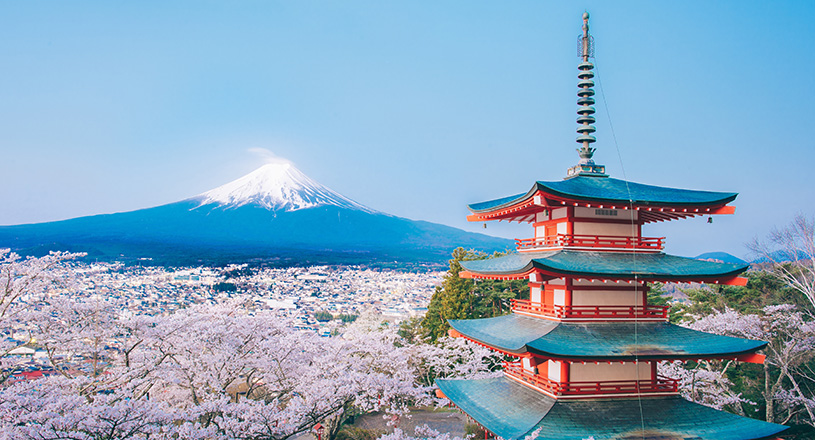
Japan attracts millions of travellers each year with its mix of tradition, food, history, and modern attractions. Before finalising your plans, it's worth thinking about travel insurance for Japan.
Although travel insurance is not mandatory for most visitors, it is widely recommended. Unexpected issues such as medical emergencies, trip cancellations, lost baggage, or travel delays can still disrupt your trip and result in additional expenses.
This guide covers what travel insurance for Japan should include, potential risks to be aware of, and how to prepare before you fly.
Why Travel Insurance for Japan Is Worth Having
Medical Costs in Japan Can Be Significant
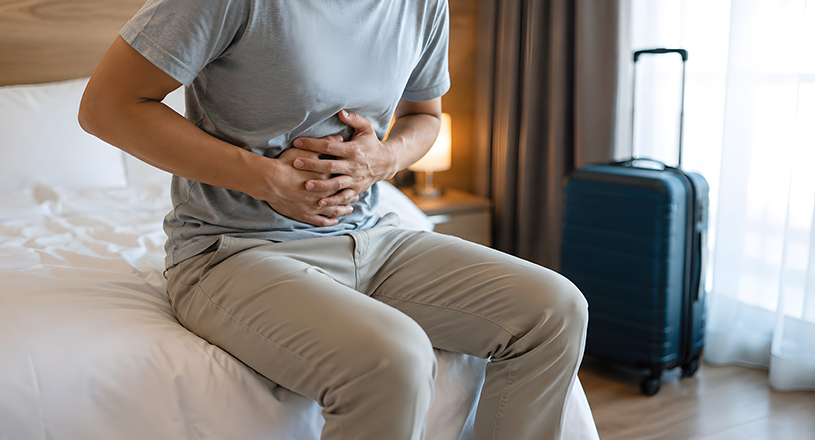
Japan is known for excellent healthcare, but foreign visitors are generally not covered by the country's national health insurance system. This means you may need to pay the full cost of treatment yourself, and some hospitals may ask for payment or proof of coverage before providing care or discharge.
Japan's National Tourism Organization (JNTO) shares real emergency cases involving overseas travellers:
- A bicycle accident led to surgery, 19 days in hospital, and a medical evacuation flight, costing around 7.5 million yen.
- A heart attack resulted in surgery, a 45-day hospital stay, and repatriation, with costs of around 10 million yen.
These examples involve severe medical emergencies, but they show how overseas medical expenses, extended hospital stays, and emergency transport can quickly become costly when travelling in Japan.
Japan-Specific Risks to Consider When Choosing Travel Insurance
Earthquakes, Typhoons, and Natural Disasters
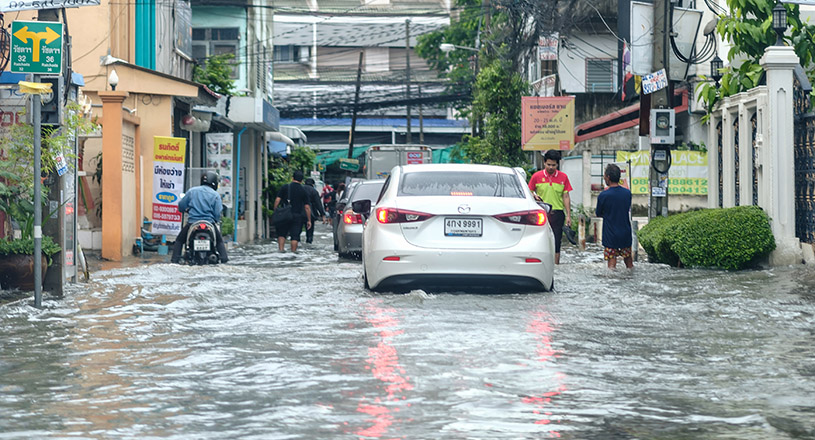
Japan experiences regular seismic activity and can also be affected by tsunamis, volcanic events, and seasonal typhoons. From June to October, severe weather may increase the risk of travel disruptions.
A major earthquake or typhoon can lead to cancelled flights, suspended transport services, or unexpected accommodation costs. Having trip delay or trip interruption coverage may help with additional expenses when a covered event affects your journey.
Petty Crime and Nightlife Risks
While Japan is considered one of the safest countries for travellers, scams and petty crime can still happen, particularly in busy nightlife districts such as Roppongi, Kabukicho, and Shibuya.
Incidents reported by visitors include drink spiking, credit card fraud, and inflated charges at bars or entertainment venues. Staying vigilant and keeping records of any incident can be important if you need to submit an insurance claim later.
What Travel Insurance Should Cover in Japan
When choosing travel insurance for Japan, focus on three key areas: overseas medical expenses, emergency medical evacuation, and trip cancellation or interruption. These benefits can help reduce the financial impact of unexpected events before or during your trip.
Overseas medical expenses help cover medical treatment if you get sick or injured in Japan. Since visitors are typically responsible for their healthcare costs, it's worth checking that your coverage limits can accommodate more than routine treatment.
Emergency medical evacuation may cover transport to a suitable hospital or, if required, your return home for further treatment. This can be especially important if you're visiting remote destinations such as Hokkaido, the Japanese Alps, or smaller islands.
Trip cancellation and interruption coverage can help recover eligible non-refundable travel costs if a covered reason forces you to cancel or cut short your trip. Illness, family emergencies, and severe weather are common examples.
Other useful benefits include travel delay, lost or delayed baggage, and personal liability coverage. Planning to ski, hike, cycle, or take part in adventure activities? Check your policy carefully, as these activities may not be included automatically.
Practical Tips Before You Travel to Japan
Before you fly:
- Buy travel insurance as soon as you book. Waiting until departure day could mean missing valuable pre-trip protection.
- Read your policy so you understand what's covered, what's excluded, and how claims work.
- Save your insurer's emergency number in your phone.
- Check whether your policy covers the full duration of your trip and all the destinations you plan to visit.
While you're in Japan:
- Store copies of your passport, insurance policy, and emergency contacts separately from the originals.
- For emergencies, call 119 for an ambulance or 110 for the police.
- If you receive medical treatment, keep all receipts and supporting documents for any claim.
- Some smaller clinics may prefer cash, so it's worth having some on hand.
Before you travel, make sure you have protection that fits your plans. Compare Tokio Marine travel insurance plans to find coverage for medical expenses, trip cancellation, travel delays, and more.
FAQs About Travel Insurance for Japan
No, but it is strongly recommended. Japan does not require proof of travel insurance for most tourist entries, but having suitable coverage can help protect you from unexpected medical costs, delays, cancellations, or lost belongings during your trip.
Possibly in part, but likely not completely. Many domestic health insurance policies have limited or no international coverage, and even where some coverage exists, you may still be required to pay upfront in Japan and claim reimbursement later. Medical evacuation costs are almost never covered by standard domestic health policies.
Yes, it may be possible to buy travel insurance after arriving in Japan. However, it is better to arrange coverage before you depart, as incidents that happen before your policy is active will not be covered. Buying early also gives you a wider coverage window for pre-trip disruptions, medical emergencies, and other unexpected travel risks, subject to the policy’s terms, limits, and exclusions.
This is a serious situation to avoid. JNTO emergency guidance states that foreign visitors who fail to pay their medical expenses may be denied entry into Japan in the future. Without travel insurance, you would be responsible for covering all costs out of pocket, which can reach into the millions of yen.
It depends on the policy and the timing. Many travel insurance policies include coverage for trip cancellation, delay, or interruption caused by natural disasters — but the key detail is that you must have purchased the policy before the event was declared or made public. Once a typhoon or earthquake is a known event, new policies purchased after that point may exclude it.
Get Travel Insurance for Japan with Tokio Marine
Whether you're exploring Tokyo, visiting cultural landmarks, enjoying a ski holiday, or taking a scenic road trip, Japan has something for every traveller. Unexpected events such as medical emergencies, travel delays, lost baggage, or cancelled trips can still happen.
Tokio Marine's Travel Insurance can help protect you with:
- Coverage for overseas medical expenses
- Emergency medical evacuation and repatriation
- Trip cancellation and trip interruption benefits
- Travel delay and baggage-related coverage
- Personal liability protection
- Optional cover for selected sports and leisure activities
Get a quote online and compare plans to find the right travel insurance for your Japan trip.




Choose your country or region
Visit HQ Pages
Visit Country Pages
Select your location and language


You are currently on a site outside of your country Switch to external site?
Visit your local page. If you change your mind, you can use the dropdown at the top navigation to visit other Tokio Marine country pages.