
Planning an Overseas Road Trip? Here's What Your Travel Insurance Actually Covers
Travel insurance • By Jasmine K • 30 Jul 2026
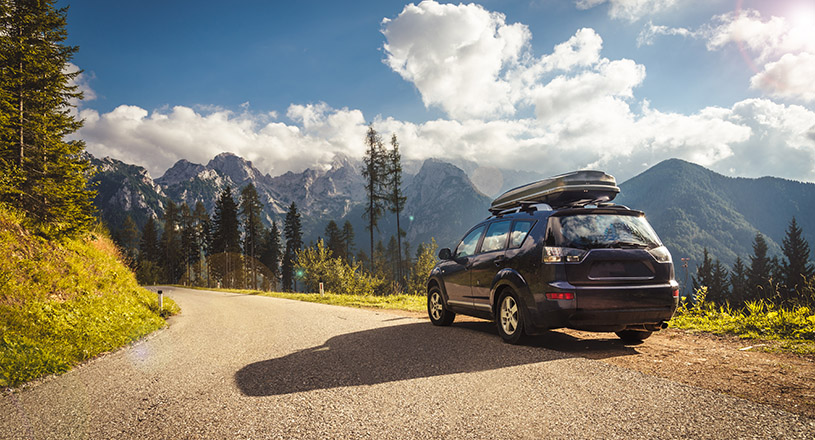
An overseas road trip can be one of the best ways to travel. You have the freedom to take scenic detours, explore hidden spots, and travel on your own schedule.
Before you pick up the rental car, take a moment to check your travel insurance. Remote routes, border crossings, and unfamiliar roads can bring unexpected challenges. If a medical emergency, travel delay, accident, or vehicle issue occurs, dealing with it abroad can be more complicated than on a standard holiday.
This guide covers how travel insurance may apply to overseas road trips, how rental vehicle excess works, how it differs from rental counter protection, and the documents you may need before driving.
What Travel Insurance May Cover on a Road Trip
Medical Expenses and Hospitalisation
Unexpected accidents or illnesses can be costly overseas. Depending on the policy, travel insurance may help cover:
- Emergency medical treatment after an accident or sudden illness
- Hospitalisation fees, including inpatient care and related medical charges
- Doctor, specialist, and follow-up consultations where covered by the policy
- Ambulance services and emergency transport to the nearest suitable medical facility
Before travelling, check your coverage limits, exclusions, and any conditions that apply, especially if your route includes remote destinations or long-distance driving.
Emergency Evacuation and Repatriation
A breakdown or accident in a remote area may require specialised medical transport to reach appropriate care. If you need to return home for further treatment, repatriation costs can also be substantial.
Many comprehensive travel insurance plans include these benefits, but requirements differ. Review the terms and save the emergency assistance number before you leave.
Trip Cancellation and Disruption
Road trips often rely on multiple bookings and travel connections. When plans change unexpectedly, travel insurance may help cover:
- Trip cancellation before departure due to covered events such as illness, injury, or other unexpected circumstances
- Trip curtailment if you need to shorten your journey and return home earlier than planned
- Travel delays, missed connections, or disruptions that affect onward transport
- Extra accommodation or transport expenses from covered disruptions
This type of cover is especially useful for multi-leg road trips, where a single delay can create a chain reaction across bookings, routes, and scheduled stops.
Personal Liability
If you accidentally cause injury to someone else or damage their property, personal liability cover may help with eligible legal and compensation costs, subject to policy terms.
Luggage and Personal Belongings
Travel insurance may provide cover for personal belongings that are lost, stolen, or damaged during your trip. Be sure to check benefit limits, exclusions, and rules relating to valuables kept in rental cars or parked vehicles.
What Rental Vehicle Excess Means
If you're renting a car overseas, it's worth understanding rental vehicle excess before you collect the keys.
Also known as a rental car excess, it's the amount you may need to pay if the vehicle is damaged or stolen, even if the incident wasn't your fault. Most rental agreements include a damage excess.
Some travel insurance policies provide rental vehicle excess cover, which may reimburse this cost up to your policy limit. It is different from the optional excess waiver or collision damage protection sold by the rental company.
Travel Insurance vs. Car Rental Insurance: What’s the Difference?
This is one of the most common areas of confusion for overseas road-trippers. Travel insurance and car rental insurance can both be useful, but they are designed to cover different risks.
What the Rental Company Offers
At the rental counter, you will usually be offered additional protection such as a Collision Damage Waiver (CDW) or an excess reduction package. These products are sold by the rental company and are mainly designed to reduce your financial responsibility if the rental vehicle is damaged or stolen.
They can be convenient, but they are often charged daily and usually apply only to the rental vehicle itself. They do not cover medical expenses, trip disruption, lost belongings, or other travel-related risks.
What Travel Insurance May Cover
Some comprehensive travel insurance policies include a rental vehicle excess benefit. This can cover the excess you'd owe the rental company, often at a lower overall cost than buying the waiver product at the desk.
However, travel insurance and rental company protection are not interchangeable. The comparison below shows how they differ.
| Car Rental CDW / Waiver | Travel Insurance with Rental Excess Cover | |
|---|---|---|
| Main purpose | Reduces your liability for damage to the rental company’s vehicle | Helps protect you across broader travel risks |
| Rental car damage | Usually covers or reduces what you owe for damage to the vehicle | May reimburse the excess you paid, but does not cover the vehicle itself |
| Medical expenses | No | Yes, subject to policy terms |
| Personal belongings | No | Usually covered, subject to limits and exclusions |
| Trip cancellation or disruption | No | Usually covered, subject to policy terms |
| Cost structure | Often charged per rental day at the counter | Included as part of your overall travel insurance premium |
Exclusions Road-Trippers Should Check Carefully
Before heading off on an overseas road trip, take time to review your travel insurance exclusions. These are situations where your policy may not respond, even if the incident happens during your trip.
Motorbikes and Scooters Without the Right Cover
Renting a scooter or motorbike is a popular way to explore many destinations, especially across Southeast Asia.
Before renting a two-wheeled vehicle, check whether your policy:
- Covers you as the rider, not only as a passenger
- Requires a valid motorcycle licence from your home country
- Requires helmet use and compliance with local road laws
- Sets an engine capacity limit, such as 50cc or 125cc
Driving Without the Right Licence or Permit
Many countries require an International Driving Permit (IDP) in addition to your home country driver’s licence. If you drive without the required documents, you may breach local road laws and risk having an insurance claim rejected.
Before departure, check the licence and permit requirements for every country on your route, especially if your itinerary involves border crossings or multiple rental locations.
Driving Under the Influence
Most policies exclude claims arising from accidents where the driver was under the influence of alcohol or drugs. Drink-driving limits differ by country, and some may be stricter than expected. The safest option is not to drive after consuming anything that could impair you.
Off-Road Driving
If your route includes dirt tracks, river crossings, or unsealed roads, check your cover before you drive. Standard rental agreements often prohibit off-road use, and many travel insurance policies apply the same restriction.
Pre-Existing Medical Conditions
Standard policies may not cover treatment linked to a pre-existing medical condition unless you declared it when buying your policy. Declare any relevant conditions upfront rather than assuming they will be covered.
High-Risk Activities
Some policies treat certain activities as high-risk and exclude them unless extra cover is purchased. This may include adventure sports, high-altitude activities, or similar pursuits that fall outside standard policy coverage.
Documents to Prepare Before You Drive
A little preparation can save a lot of hassle on the road. Before setting off, make sure these documents are easy to find:
- Home Country Driver’s Licence: Bring the original licence, not just a photocopy. Rental companies and local authorities may require the physical document.
- International Driving Permit (IDP): Check whether an IDP is required for each destination on your itinerary.
- Travel Insurance Policy Documents: Keep your policy number, 24-hour emergency assistance number, and claims instructions somewhere easy to access.
- Rental Agreement: Keep a copy of the full agreement, including the excess amount, fuel policy, return conditions, and any optional extras you accepted or declined.
- Emergency Contacts: Save your insurer’s emergency assistance number, local emergency service numbers, and the contact details of the nearest embassy or consulate in each country you plan to drive through.
- Passport and Visa Documents: Keep copies separate from the originals and store them somewhere accessible.
Frequently Asked Questions
It depends on the policy.. Travel insurance may cover medical expenses, personal liability, and rental vehicle excess if these benefits are included. However, rental vehicle excess cover is not the same as rental car insurance or a collision damage waiver, so check your policy and rental agreement before you drive.
It depends on your policy. Some travel insurance plans may cover motorbike or scooter riding, but only under specific conditions, such as having a valid motorcycle licence, wearing a helmet, and following local road laws. Many policies exclude motorbike riding or apply restrictions, so always check your policy wording before you rent or ride a motorbike overseas.
A rental company’s excess waiver can help reduce your financial responsibility if the rental vehicle is damaged or stolen, but it usually only applies to the vehicle itself. It does not cover other travel-related risks such as medical emergencies, trip disruptions, lost belongings, or personal liability. For broader protection, check whether your travel insurance includes rental vehicle excess cover and review both your policy wording and rental agreement before you drive.
Before You Hit the Road
An overseas road trip offers the freedom to discover more of your destination. With the right preparation, travel insurance can help provide added peace of mind if the unexpected happens, whether it is a medical emergency, rental car damage, or a missed flight caused by travel delays.
Before setting off, take time to read your policy, understand any exclusions, check for rental vehicle excess cover, and keep important documents organised.
For more information on travel insurance for your next overseas road trip, explore Tokio Marine’s travel insurance plans.







Choose your country or region
Visit HQ Pages
Visit Country Pages
Select your location and language


You are currently on a site outside of your country Switch to external site?
Visit your local page. If you change your mind, you can use the dropdown at the top navigation to visit other Tokio Marine country pages.