Posted on: November 25, 2025
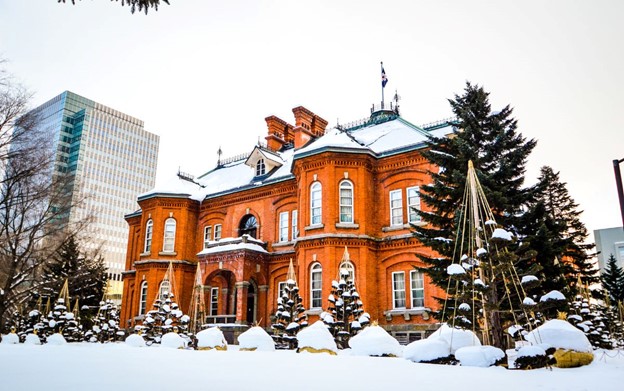
When winter arrives, Japan's northernmost island, Hokkaido, turns into a breathtaking snow paradise. From December through February, the region offers a magical landscape of white mountains, sparkling ice sculptures, and soothing hot springs. Whether you’re eager to ski on powder-soft slopes or simply dreaming of soaking in a hot spring surrounded by snow, Hokkaido captures the very essence of winter in Japan.
For Malaysian travelers, Hokkaido represents something rare and unforgettable — a chance to experience real snow, to taste hot ramen in the cold air, and to feel the quiet beauty of a snow-covered world. According to the Japan National Tourism Organization, visitors from Malaysia continues to grow steadily each year. Many Malaysian visitors make up a significant portion of winter tourists, drawn by the unique opportunity to experience authentic winter activities and snow-covered landscapes that are rare in tropical climates.
Top Winter Activities in Hokkaido
1. Sapporo Snow Festival
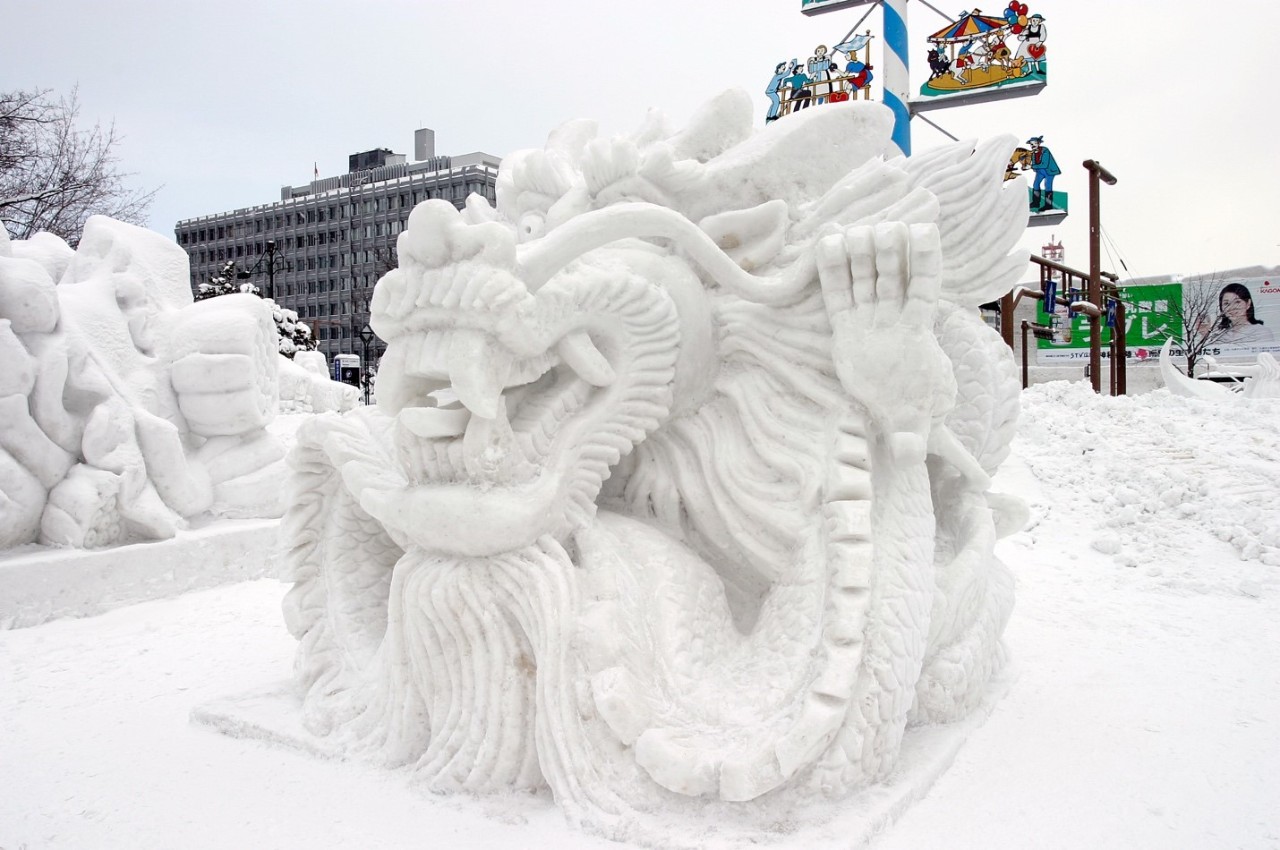
Highlights: The Sapporo Snow Festival is Hokkaido's most iconic winter celebration, drawing more than 2.3 million visitors each year. Massive snow and ice sculptures line Odori Park, transforming the city into a dazzling open-air gallery. Some sculptures reach several stories high, depicting famous landmarks, beloved characters, and stunning artistic designs.
The festival is spread across three main sites
- Odori Site: home to the largest and most elaborate snow sculptures
- Susukino Site: known for its intricate ice carvings and nighttime illuminations
- Tsudome Site: a family-friendly area offering snow slides, snow rafting and other fun activities
Best Time to Visit: The festival takes place over eight days in early February. In 2026, it will run from February 4-11.
Access: Odori Park is conveniently located in central Sapporo and directly connected to Odori Station on the Sapporo Municipal Subway. The park stretches 1.5 kilometers through the city center, so it’s easy to explore on foot. Susukino is just one subway stop away, while the Tsudome site can be reached by a short bus or taxi ride.
Useful Tips: The sculptures are especially enchanting after sunset, when they are beautifully illuminated against the night sky. Dress in warm, layered clothing, as you'll be outdoors for several hours. For the best photos, visit during the first few days of the festival before the sculptures begin to soften.
2. Otaru Snow Light Path Festival
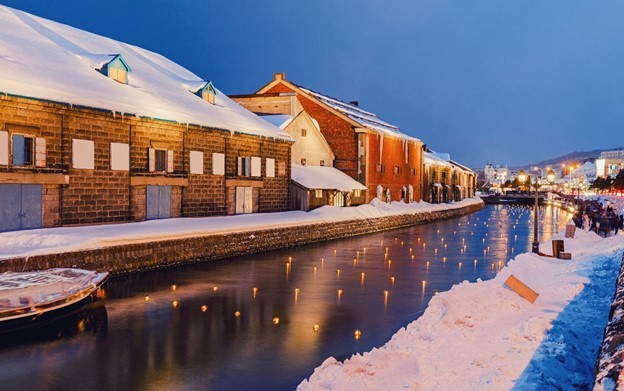
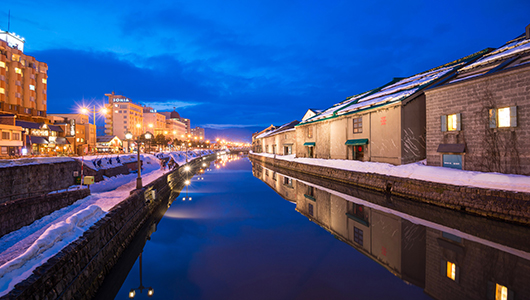
Highlights: Each February, the historic canal city of Otaru transforms into a romantic winter dreamscape during the Otaru Snow Light Path Festival. Thousands of snow candles and lanterns flicker gently along the Otaru Canal and through the historic streets of the old town, casting a warm golden glow over the snow. Unlike the grand scale of Sapporo's festival, Otaru’s celebration offers a more intimate, nostalgic atmosphere with handmade snow lanterns created by local volunteers.
Best Time to Visit: It is scheduled to take place from February 7-14, overlapping with the final days of the Sapporo Snow Festival. This makes it easy for travelers to enjoy both events in one trip.
Access: Otaru is approximately 40 minutes from Sapporo by JR Rapid Train, making it a perfect day trip or overnight stay. The main venues are within walking distance of Otaru Station and the scenic Otaru Canal. Most illuminations start at 5:00 PM and continue until 9:00 PM.
Useful Tips: Take time to explore Otaru's glass workshops, music box museums, and seafood restaurants along Sakaimachi Street before the lights come on. The cobblestone paths can be icy, so wear warm, slip-resistant boots. Stay until closing time to see the candles at their most beautiful
3. Asahikawa Winter Festival
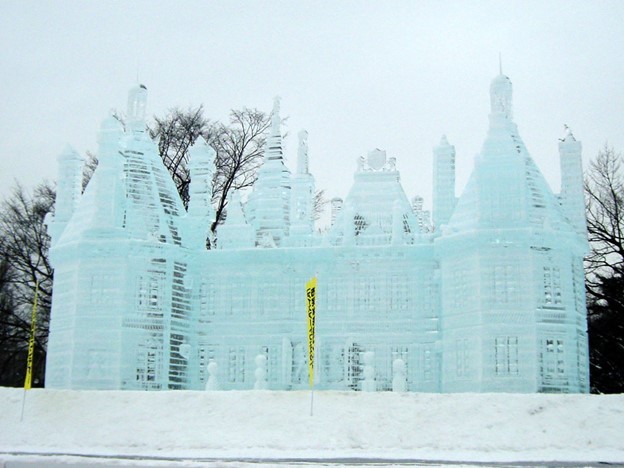
Highlights: Set along the scenic Ishikari River, the Asahikawa Winter Festival is one of Hokkaido’s grandest winter events—home to some of the world's largest snow sculptures. Compared to the Sapporo Snow Festival, Asahikawa offers a more local and relaxed atmosphere, where you can enjoy snow slides, snowmobile rides, and food stalls serving comforting Hokkaido specialties such as ramen, Shinkoyaki (grilled chicken). The festival's highlight is the spectacular fireworks show, lighting up the snow-covered landscape in vivid colors.
Best Time to Visit: The festival takes place in early to mid-February and often coincides with the Sapporo Snow Festival, allowing you to attend both on one trip.
Access: From Sapporo, take the JR Limited Express to Asahikawa Station (about 1 hour 25 minutes). The festival grounds are a 15-minute walk or short taxi ride from the station, and free shuttle buses are available during the event.
Useful Tips: Asahikawa is known for being colder than Sapporo, often recording some of the lowest temperatures in Hokkaido, so bundle up in your warmest layers and thermal gloves. Spend your day exploring the renowned Asahiyama Zoo, where you can enjoy the entertaining penguin parade before heading to the festival in the evening.
4. Hot Springs (Onsen) Experiences
Noboribetsu Onsen: Known as Hokkaido's premier hot spring resort, Noboribetsu is famous for its dramatic Jigokudani (“Hell Valley”), a volcanic landscape of steaming vents and bubbling sulfur streams. The area offers nine different types of mineral-rich waters, each believed to have its own therapeutic benefits. After exploring the valley, you can unwind in one of the town’s many baths. Even if you’re not staying overnight, major hotels such as Dai-ichi Takimotokan welcome day visitors for an authentic onsen experience.
Access: Noboribetsu is 75 minutes from New Chitose Airport by direct bus, or you can take the JR train to Noboribetsu Station followed by a 15-minute bus ride to the onsen area.
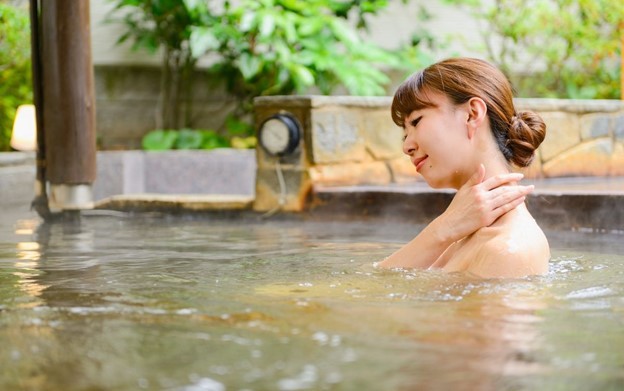
Jozankei Onsen: Nestled in a scenic gorge just 50 minutes from central Sapporo by car, Jozankei Onsen is ideal for a day trip or relaxing overnight stay. The town is home to numerous ryokans and hotels offering both indoor and open-air baths (rotenburo) with breathtaking views of the snow-covered valley. Along the main street, you'll also find the footbaths where visitors can warm up while strolling through the winter scenery.
Access: Direct buses run from Sapporo Station to Jozankei (about 1 hour). Some hotels offer free shuttle services.
Useful Tips: Most onsen facilities require guests to bathe without clothing, with separate bathing areas designated for men and women. Small towels are provided for modesty while walking; however, these towels should not be placed in the bath itself. Many hotels offer day-use plans that include bathing and lunch. Winter is the best season for rotenburo, where you can soak in hot water while snowflakes gently fall around you.
Travel Tips for Japan's Winter Season What to Wear
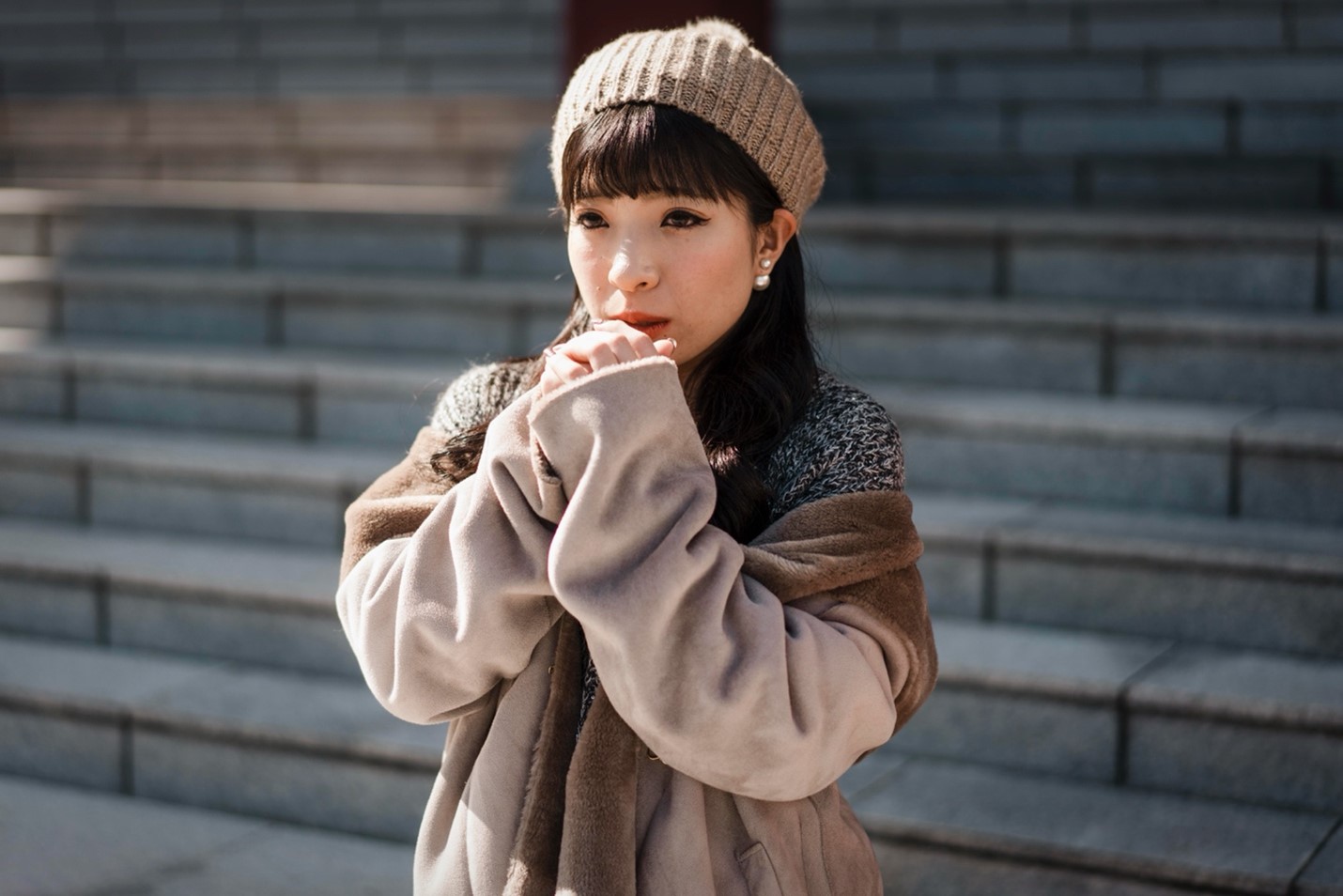
Hokkaido winters can be significantly colder than what Malaysian travelers are used to, with temperatures often falling below 0°C, and sometimes reaching -10°C or lower. The key to staying warm is layering, so you can adjust easily between outdoor chills and warm indoor spaces.
To stay warm outdoors, it’s helpful to dress in layers rather than relying on one thick jacket.
| Layer | Purpose | Suggested Materials |
|---|---|---|
| Base Layer | Keeps your body dry by absorbing sweat | Merino wool or synthetic thermals |
| Mid Layer | Provides warmth | Fleece or lightweight down jacket |
| Outer Layer | Blocks wind, snow, and rain | Waterproof, windproof jacket and snow pants |
Essential Items
In addition to layering your clothing, the following winter essentials will keep you safe and comfortable in snowy conditions.
| Item | Why It’s Important |
|---|---|
| Waterproof, insulated boots | Prevent cold and wet feet; deep treads give grip on snow and ice |
| Clip-on ice grips (optional) | Add extra traction for walking on icy grounds |
| Warm hat (covers ears) | Prevents heat loss from the head, keeps ears protected against wind |
| Insulated gloves or mittens | Essential for preventing frostbite and keeping hands functional |
| Scarf or neck warmer | Shields the neck and face from cold winds |
| Thermal socks | Keeps feet warm and comfortable inside boots |
| Hand and foot warmers | Disposable heat packs widely available in Japan for extra warmth |
| Face mask | Protects face from windburn in sub-zero temperatures |
| Ski goggles (for snow sports) | Prevents snow and wind from hitting the eyes |
Getting Around
Hokkaido is easy to explore thanks to its well-connected transportation system - but traveling in winter requires a little extra planning. Here are the main ways to get around, along with tips to ensure a smooth journey.
JR Rail Network: The JR Hokkaido rail network connects major cities and resort areas efficiently, making it one of the most convenient ways to travel. Consider purchasing a JR Hokkaido Pass for a set number of days. Passes are available in different durations to match your itinerary.
Note: Reserve seats in advance during peak periods, especially on popular routes such as Sapporo to Hakodate or Asahikawa.
Rental Cars: Renting a car offers the most flexibility for exploring rural hot springs and ski resorts at your own pace. However, winter driving in Hokkaido requires caution:
- All rental cars come equipped with winter tires (studless) from November through April
- Roads are generally well-maintained, but can be icy in rural areas
- Be prepared for sudden weather changes and reduced visibility during snowstorms
- Always allow extra travel time compared to summer conditions
- Most vehicles include GPS navigation with English support
Buses: Buses are widely available, especially for resort areas and onsen towns. Many hotels offer complimentary shuttle services from nearby train stations. Highway buses offer a more affordable way to travel between major cities, although trains are generally faster.
Taxis: Taxis are accessible in urban areas and useful for short trips to local attractions. However, they can be expensive for long distances. Some drivers may not speak English, so it helps to show your destination written in Japanese or display it on your phone.
Winter-Specific Considerations:
- Trains may experience delays during heavy snowfall
- Check road and weather conditions regularly when driving
- Some rural roads may be closed during peak winter
- Always allow extra time for all travel when snow is expected
Enjoy a Stress-Free Winter Trip with Tokio Marine Explorer
Tokio Marine Explorer is designed to offer broad and reassuring coverage, allowing you to fully embrace your travel experience, especially when you plan to enjoy a variety of winter activities in Hokkaido.
(up to RM1,000,000):
With the high cost of medical care in Japan, comprehensive coverage ensures you're protected and have peace of mind regarding health emergencies during your travels.
Embrace Winter Sports:
If your plans include adventurous winter activities like skiing, snowboarding, snowmobiling, or ice skating, Tokio Marine Explorer can cover you. Please check your policy details to confirm the extent of coverage for these exciting activities.
Protection Against
Travel Interruptions:
The plan includes covers unexpected trip cancellations, postponements, and travel delays helping to ease the stress that can come with changes to your winter travel schedule.
Emergency Support:
You can travel confidently knowing you have access to dedicated 24/7 emergency support through our travel assistance services.
Please note: For any evacuation or repatriation services, you must contact and obtain prior approval from Tokio Marine Travel Assistance.
Tokio Marine Explorer offers comprehensive travel insurance so you can focus on creating unforgettable memories. For a truly worry-free journey, always keep your policy details and emergency contact information readily accessible.
Tokio Marine Explorer

For more information

The benefit(s) payable under eligible policy is protected by PIDM up to limits. Please refer to PIDM’s TIPS Brochure or contact TMIM or PIDM (visit www.pidm.gov.my).
You may also be interested in reading

What Happens If You Get Sick While Travelling
You’ve finally embarked on the holiday you’ve been planning for months. The scenery is breathtaking, the food has exceeded expectations, and you’ve already captured countless photos to remember the trip by. Everything is going according to plan.
5 Common Travel Insurance Myths Debunked
Discover the truth behind common travel insurance myths and learn why coverage is essential for every trip.

Why PremierUltra PA Goes Beyond Basic Personal Accident Coverage
Most accidents don’t come with drama or sirens. They come with inconveniences that quietly turn into problems.
Winter Guide to Otaru, Japan
Explore the best things to do in Hokkaido in winter, from skiing to hot springs.

Disclaimer
By clicking on “Continue to external site” below, you will leave Tokio Marine Insurance Group’s website and you will be redirected to a third party website.






Choose your country or region
Visit HQ Pages
Visit Country Pages
Select your location and language


You are currently on a site outside of your country Switch to external site?
Visit your local page. If you change your mind, you can use the dropdown at the top navigation to visit other Tokio Marine country pages.


You are currently on a site outside of your country. Switch to local site?
Visit your local page. If you change your mind, you can use the dropdown at the top navigation to visit other Tokio Marine country pages.